The Trump Presidential Library is closer to being built in downtown Miami, adjacent to the historic Freedom Tower.
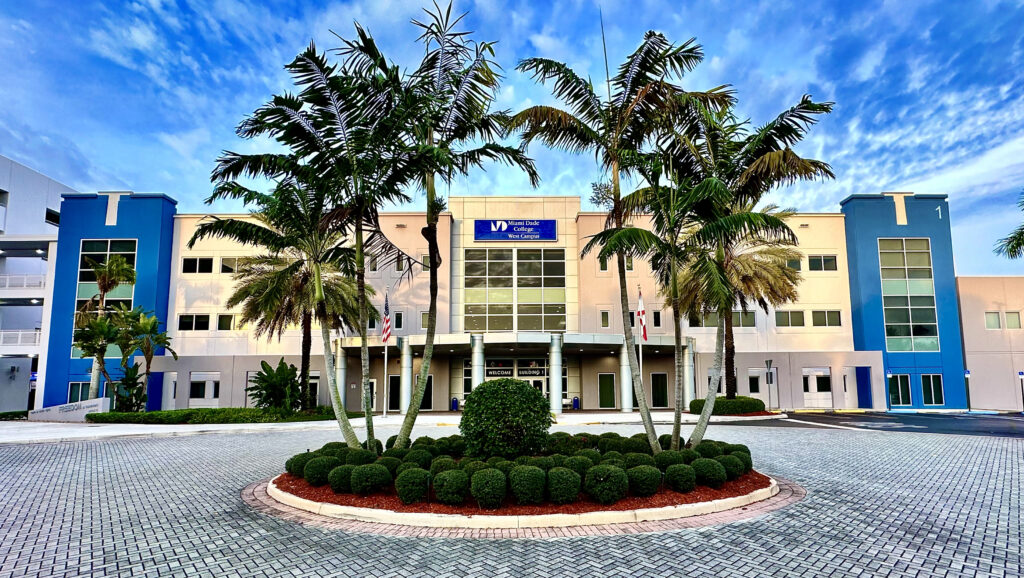
Miami-Dade College owns the nearly three-acre parcel, currently used as a parking lot.
On Tuesday, the college’s Board of Trustees voted to gift the land to the state of Florida, which would transfer it to the Trump Presidential Library Foundation.
Unlike the first vote, which was not widely publicized, Tuesday’s meeting allowed robust public comment.
Some speakers expressed support for a presidential library, while others criticized it as glorifying a controversial former president in a historically significant immigrant area.
“The proposal is a profound insult to our shared history as a majority foreign-born community built by immigrants,” one speaker said during the hearing.
Another speaker said, “A presidential library is an asset to any academic institution.”
After hearing public comments, the Board voted unanimously to approve the land transfer.
Madeline Pumariega, Miami-Dade College president, said, “I think in the long term, the benefits to the community will be for a long time, economic benefits, educational benefits, especially for our students to be able to do internships and have opportunities.”
Miguel Granda, an alumnus and leader of the Miami-Dade Young Republicans, called the opportunity “amazing.”
Opponents raised concerns about the economic implications.
“We are giving away precious real estate land in downtown Miami and receiving nothing in return,” said community activist Maribel Balbin.
Retired professor Marvin Dunn filed a lawsuit alleging the first meeting violated the Sunshine Law.
“This is not a library, this is an economic development project for the Trump family,” Dunn said.
Board member Roberto Alonso said the land transfer could provide long-term benefits for the college.
“To me, it’s something important that adds to what the college offers,” Alonso said.
Some public speakers noted the agreement does not legally require that a full presidential library be built, raising concerns that the project could be partially replaced with commercial development.