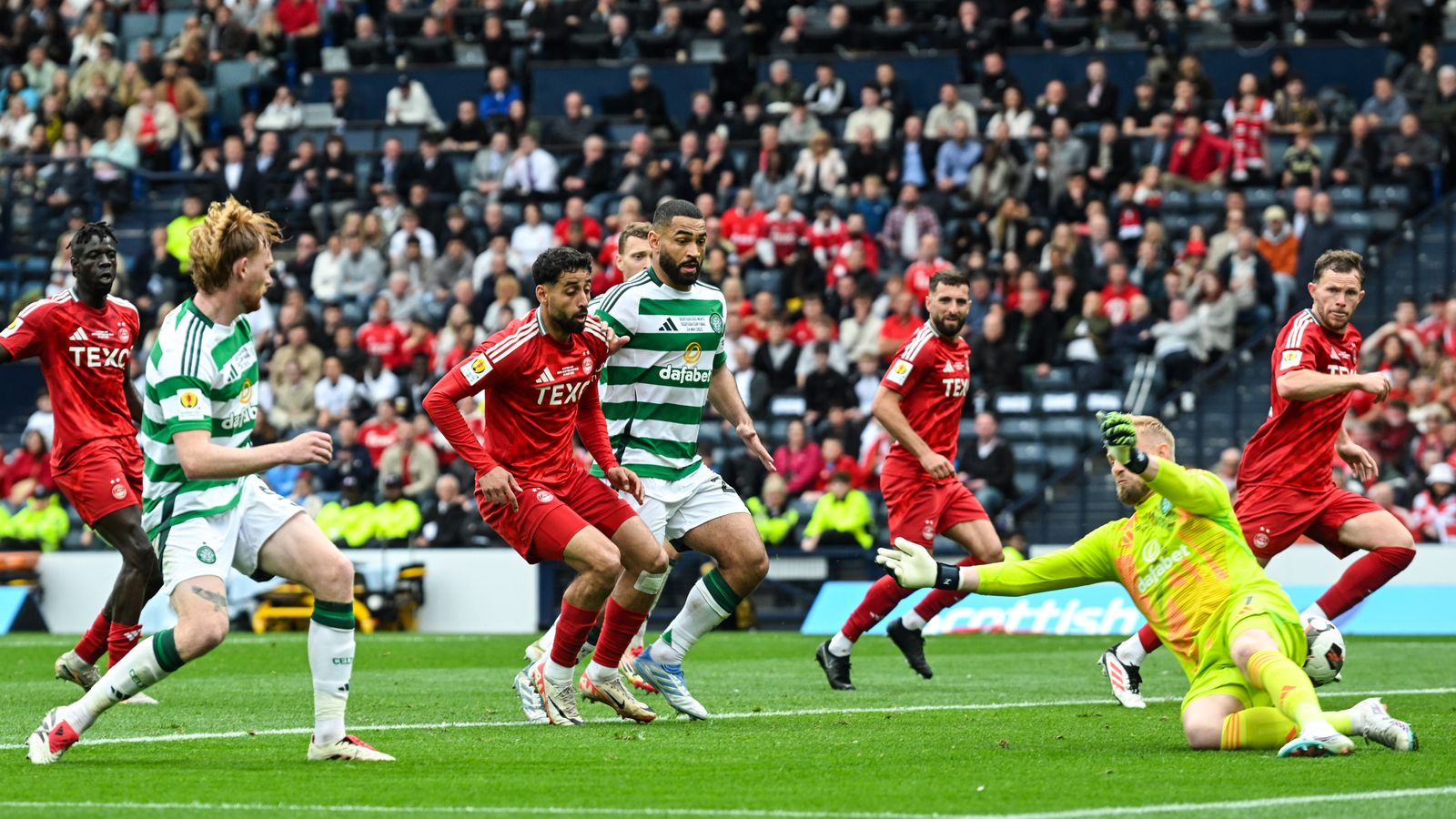
The Aberdeen F.C. vs Celtic F.C. timeline is keenly watched by Scottish football fans.
Aberdeen F.C. and Celtic F.C. have a long-standing presence in Scottish football. While not as globally renowned as Celtic’s rivalry with Rangers, the matches between Aberdeen and Celtic are highly competitive and historically significant. Their encounters have spanned decades of league play and domestic cup competitions.
Early Aberdeen F.C. vs Celtic F.C. and Formative Years
Aberdeen and Celtic first met competitively in the early 20th century. Celtic, founded in 1887, had already secured multiple league titles. Aberdeen, formed in 1903, was building its identity and striving for consistent top-flight performance.
Celtic generally dominated these early meetings, leveraging squad depth and tactical experience. Aberdeen demonstrated resilience, particularly at Pittodrie Stadium, often challenging visitors with disciplined performances.
Key points from early encounters:
- Celtic’s experience gave them the edge in most matches.
- Aberdeen established a reputation for strong home performances.
- Matches were often closely contested, with narrow scorelines.
1970s Timeline and the Rise of Aberdeen
During the 1970s, Celtic maintained domestic dominance under Jock Stein. Aberdeen began emerging as a competitive force with tactical development under managers like Billy McNeill. Fixtures between the clubs became more competitive, reflecting Aberdeen’s growing ambition.
READ: Blackburn Rovers vs Ipswich Town: Timeline of Encounters and Standings
Aberdeen achieved key home victories, challenging Celtic’s superiority. Celtic remained dominant in away fixtures and overall league standings. This period laid the groundwork for Aberdeen’s success in the following decade.
Highlights include:
- Aberdeen asserting themselves in select home matches.
- Celtic maintaining consistent away performances.
- Aberdeen’s tactical evolution foreshadowing future achievements.
The 1980s: Aberdeen’s Golden Era
The 1980s were transformative for Aberdeen under Sir Alex Ferguson. The club won multiple Scottish league titles and captured the European Cup Winners’ Cup in 1983. Matches against Celtic often had title implications.
Aberdeen combined tactical discipline and strong defense to challenge Celtic’s attacking power. Several key victories cemented Aberdeen’s ability to compete with the Glasgow giants. These encounters were often high-stakes and drew large crowds.
Key points from the 1980s:
- Aberdeen frequently contested league titles and domestic cups with Celtic.
- Sir Alex Ferguson’s strategies maximized the team’s competitive edge.
- Matches had lasting significance for both clubs’ historical records.
1990s to Early 2000s
After Ferguson left in 1986, Aberdeen entered a rebuilding phase. Celtic continued to compete domestically but faced increasing competition from Rangers. Head-to-head matches were mixed, with Celtic often maintaining the upper hand.
Aberdeen occasionally secured home wins and competitive draws. Cup competitions offered further opportunities for memorable encounters. Matches remained low-scoring and tactically disciplined.
Trends include:
- Celtic consistently finishing higher in league standings.
- Aberdeen leveraging home advantage for points.
- Matches featuring cautious, strategic approaches.
Recent Decade
In the past ten years, Aberdeen and Celtic have continued regular meetings in the Scottish Premiership and domestic cups. Celtic dominated the league under managers like Brendan Rodgers and Ange Postecoglou. Aberdeen consistently finished in the top half, challenging for European qualification.
Modern matches feature Celtic’s possession-based attacking style. Aberdeen relies on defensive organization and set-piece efficiency. Home advantage remains significant, particularly for Aberdeen at Pittodrie.
Statistics:
- Celtic maintains a strong head-to-head record in recent years.
- Aberdeen’s victories are memorable and often tactically driven.
- Matches are frequently decided by one or two goals.
- Attendance spikes reflect fan engagement and fixture significance.
Key Takeaways
- Early encounters highlighted Celtic’s dominance and Aberdeen’s resilience.
- The 1980s marked Aberdeen’s peak under Ferguson.
- Celtic’s sustained success from the 1990s onward reflects league power shifts.
- Modern fixtures emphasize tactical discipline and attacking balance.
- Home advantage consistently influences match outcomes.
- Historical context preserves the rivalry’s significance for fans.