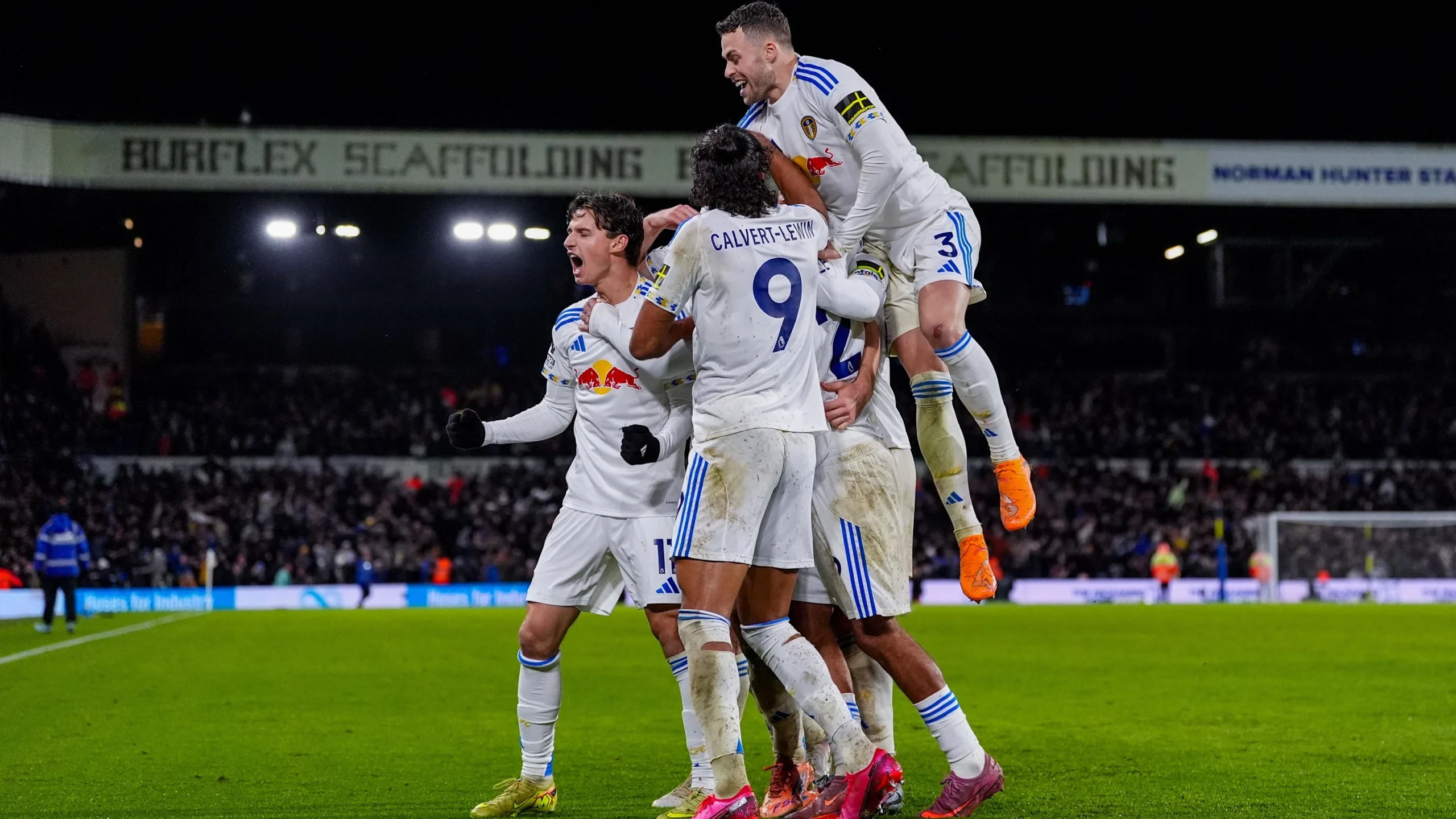
The Leeds United vs Liverpool F.C. standings show how both clubs are currently performing in the Premier League.
The clashes between Leeds United and Liverpool F.C. have a rich history, dating back decades and marked by both fierce competition and memorable moments in English football. These encounters, steeped in rivalry and footballing drama, have seen shifts in dominance, dramatic matches, and periods where both clubs have challenged for top honors in the domestic league.
Early Timeline and Historic Matches
The rivalry traces its roots to the 1960s and 1970s, when Leeds United, under Don Revie, emerged as a dominant force in English football. Liverpool, led by Bill Shankly and later Bob Paisley, was simultaneously building its empire in the top tier. Their meetings were often intense, with matches characterized by physicality and tactical battles that defined the era.
One of the standout moments came in the 1973–74 season, when Liverpool clinched the First Division title while Leeds fought for a strong league finish. Matches between the two sides were highly competitive, drawing large crowds and intense media coverage. The Leeds-Liverpool games were not only about points but also about regional pride, as both clubs boasted passionate fan bases.
The 1980s and Liverpool Dominance
Throughout the 1980s, Liverpool dominated English football, winning multiple league titles and European Cups. Leeds, meanwhile, struggled to maintain the highs of the Revie era, oscillating between mid-table finishes and relegation battles. Despite this, Leeds occasionally delivered surprise results against Liverpool, demonstrating their resilience in high-profile encounters.
Key fixtures in this decade often highlighted Liverpool’s attacking prowess and tactical discipline, with Liverpool frequently coming out on top. Leeds’ victories were celebrated as major upsets, further fueling the rivalry.
The Premier League Era and Recent Clashes
With the formation of the Premier League in 1992, both clubs experienced different trajectories. Liverpool remained a consistent top-six side, competing for titles and European competitions, while Leeds United faced financial difficulties, culminating in relegation in 2004 after years of mismanagement.
After a long absence from the top flight, Leeds returned to the Premier League in 2020, reigniting the fixture with Liverpool. These recent matches have combined nostalgia with modern football dynamics, featuring fast-paced attacking play and tactical innovations from both sides.
The 2025–26 season has seen Liverpool positioned fourth in the league with 32 points after 18 matches, reflecting a solid campaign with 10 wins, 2 draws, and 6 losses. Leeds United currently sit in 16th place with 19 points from 17 matches, having achieved 5 wins, 4 draws, and 8 losses.
Key Matches This Season
- Liverpool’s recent form includes a series of positive results with 3 wins and 1 draw in their last five matches, underlining their consistency in the top half of the table.
- Leeds, while struggling in the lower half, has managed 2 wins, 2 draws, and 1 loss in their last five matches, showing potential for key points against stronger opponents.
Head-to-Head Records
Historically, Liverpool holds the edge in head-to-head results, particularly in the Premier League era. Leeds’ victories have often been dramatic, punctuated by late goals or defensive resilience. Highlights of recent encounters include high-scoring draws and decisive victories that emphasize Liverpool’s attacking depth and Leeds’ counter-attacking strategies.
Liverpool’s success in these fixtures has been built on a combination of fluid attacking movements, disciplined defense, and clinical finishing. Leeds’ approach often focuses on pressing and exploiting mistakes, making matches between the two clubs unpredictable and entertaining.
Cultural and Fan Significance
Beyond statistics and standings, the Leeds-Liverpool rivalry carries cultural significance. Supporters of both clubs view these matches as a test of pride and identity. Fans often reference historic victories or notable performances when discussing modern fixtures, highlighting the intergenerational importance of these encounters.
The atmosphere at Elland Road and Anfield during these matches is electric, with chants, tifos, and fan engagement adding layers to the competitive spectacle. This emotional investment ensures that every meeting is more than just three points—it is a celebration of football history and regional rivalry.
Notable Patterns in Recent Seasons
- Liverpool tends to dominate possession and scoring chances against Leeds, reflecting their superior squad depth.
- Leeds frequently uses counter-attacks and set-pieces as their main avenues to challenge Liverpool.
- Matches often feature a mix of youth talent and experienced players, reflecting both clubs’ investment in long-term squad development.
Key Takeaways
- Liverpool leads the historical head-to-head in most competitive fixtures.
- Leeds has produced memorable upsets despite current league struggles.
- 2025–26 sees Liverpool in fourth place and Leeds in 16th, highlighting contrasting fortunes.
- Matches remain highly anticipated due to the clubs’ storied rivalry and fan engagement.
- Liverpool’s consistent top-four finishes underline their status among England’s elite.
- Leeds’ occasional victories are celebrated as major moments for the club and supporters.
- The fixture is one of the most watched and discussed in the Premier League calendar.
As the timeline progresses, both clubs will look to assert dominance in their encounters, with Liverpool aiming to maintain their top-four position and European qualification, while Leeds seeks to climb the table and secure Premier League safety.