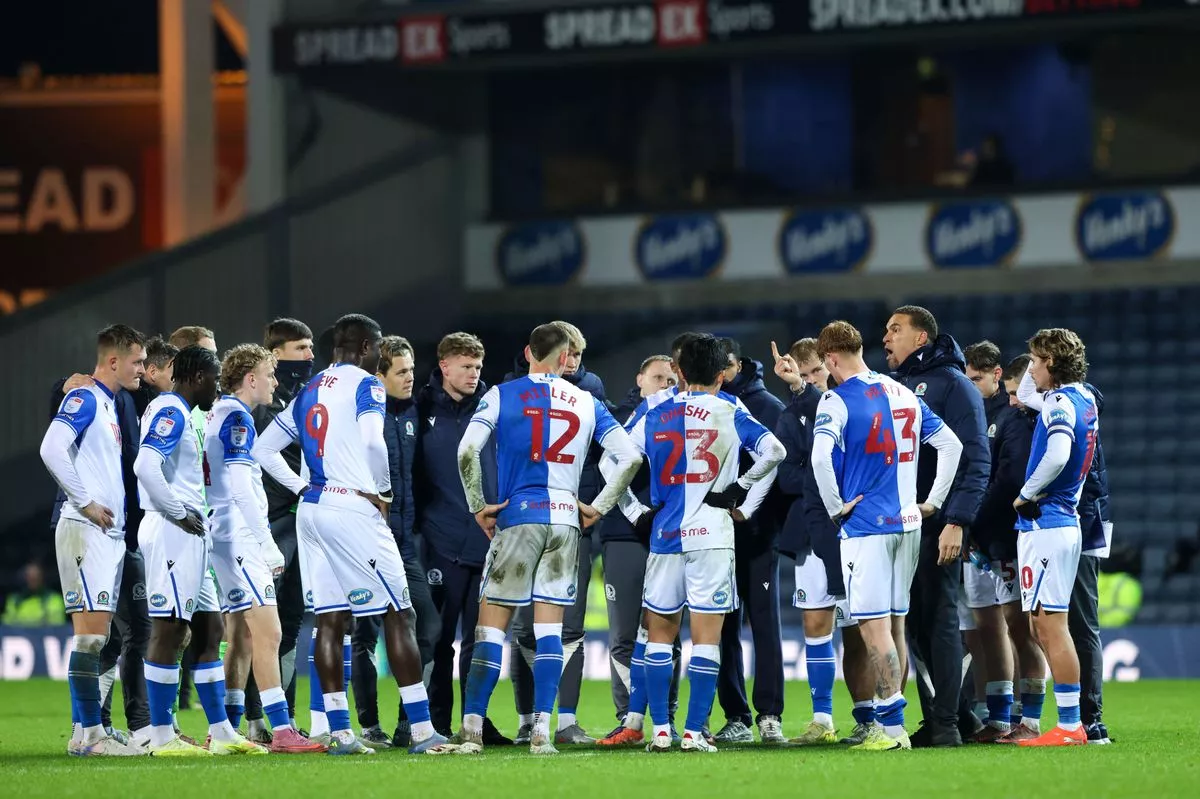
The timeline of Blackburn Rovers vs Ipswich Town shows how these two English clubs have performed against each other.
Blackburn Rovers and Ipswich Town are two of English football’s most historically significant clubs, with roots stretching back well over a century.
While they have often occupied different tiers of the English football pyramid, their meetings have produced a steady timeline of competitive, and at times dramatic, encounters.
From top-flight clashes in the late 20th century to promotion battles and cup ties, the Blackburn Rovers vs Ipswich Town rivalry is built on tradition rather than animosity, shaped by changing fortunes and contrasting club identities.
19th Century Timeline and Football League Foundations
Both clubs were members of the Football League long before modern competitions took shape.
Blackburn Rovers, founded in 1875, were already established as a major force by the early 1900s, while Ipswich Town, founded in 1878, took longer to emerge as a national contender.
Their earliest competitive meetings came in the mid-20th century as Ipswich rose through the divisions under innovative management.
During the 1950s and early 1960s, Ipswich’s rapid ascent brought them into regular contact with Blackburn, including league fixtures that reflected the evolving tactical styles of the era.
These early encounters were often closely contested, with both sides prioritising structured defending and direct attacking play.
Key themes from early meetings include:
- Tight scorelines and physical contests
- Strong home advantage for both clubs
- A growing sense of mutual respect rather than rivalry
Top-Flight Clashes and the Premier League Era
The most notable period in the Blackburn Rovers vs Ipswich Town timeline came during spells in the top division.
Ipswich enjoyed their golden era in the early 1960s, famously winning the First Division, while Blackburn experienced fluctuating fortunes before re-establishing themselves in the Premier League during the 1990s.
Although Ipswich were not permanent fixtures in the Premier League era, meetings in the top tier and domestic cups carried added prestige.
Blackburn’s title-winning side of the mid-1990s gave them an edge in encounters during this period, with a squad built around high-profile signings and a direct attacking approach.
Ipswich, by contrast, often relied on disciplined organisation and counter-attacking football when facing Blackburn in higher divisions.
Notable characteristics of this era:
- Blackburn often entered fixtures as favourites
- Ipswich focused on tactical discipline
- Goals were more frequent compared to earlier decades
Championship Battles and Promotion Stakes
The Championship has hosted many of the most memorable Blackburn Rovers vs Ipswich Town matches.
As both clubs adjusted to life outside the Premier League at different times, their meetings often carried promotion implications or survival pressure.
In the 2000s and 2010s, fixtures between the two were frequently defined by momentum swings, late goals, and changing managerial philosophies.
Ipswich, during long spells in the Championship, often viewed matches against Blackburn as benchmarks against a former Premier League champion.
Blackburn, meanwhile, faced periods of instability, making encounters with Ipswich unpredictable and emotionally charged for supporters.
Common themes in Championship meetings include:
- Evenly balanced head-to-head records
- High importance of midfield battles
- Tactical flexibility from both sides
Domestic Cup Encounters
Beyond league play, Blackburn Rovers and Ipswich Town have met in domestic cup competitions, adding variety to their shared timeline.
FA Cup and League Cup ties brought knockout intensity, where form and league position mattered less than discipline and efficiency.
These matches often provided opportunities for squad rotation, giving younger players and fringe squad members a platform to influence the fixture history.
Cup meetings between the two clubs have generally been competitive, with neither side consistently dominating the other.
Key aspects of cup encounters:
- Narrow margins deciding outcomes
- Increased emphasis on set pieces
- Occasional upsets regardless of league status
Head-to-Head Statistics Overview
Across all competitions, Blackburn Rovers and Ipswich Town have faced each other dozens of times in league and cup football.
Historically, Blackburn hold a slight edge in overall wins, reflecting their longer periods in the top flight and Premier League success.
Ipswich, however, have consistently matched Blackburn during Championship campaigns, ensuring the head-to-head record remains relatively balanced.
Draws have been a common outcome, underlining how closely matched the two clubs have been over the years.
General head-to-head trends include:
- Blackburn marginally ahead in total wins
- Ipswich strong at home, particularly at Portman Road
- Away victories for both sides occurring less frequently
Recent Meetings and Modern Context
In more recent seasons, meetings between Blackburn Rovers and Ipswich Town have reflected broader changes in English football.
Ipswich’s resurgence following periods of decline has added renewed intensity to fixtures, while Blackburn have focused on youth development and financial sustainability.
Modern encounters are often faster-paced, with greater emphasis on pressing, ball retention, and tactical transitions.
Supporter interest remains strong, particularly among fans who remember earlier top-flight clashes and promotion battles.
Recent trends highlight:
- Greater tactical sophistication
- Younger average squad ages
- Increased importance of squad depth
Legacy of the Fixture
The Blackburn Rovers vs Ipswich Town timeline is defined less by rivalry and more by shared history and respect.
Both clubs have experienced highs and lows, from league titles and European football to relegations and rebuilding phases.
Their head-to-head record reflects two proud institutions adapting to changing eras while maintaining competitive integrity.
For supporters, each meeting serves as a reminder of English football’s depth, where tradition, history, and ambition continue to shape every fixture.