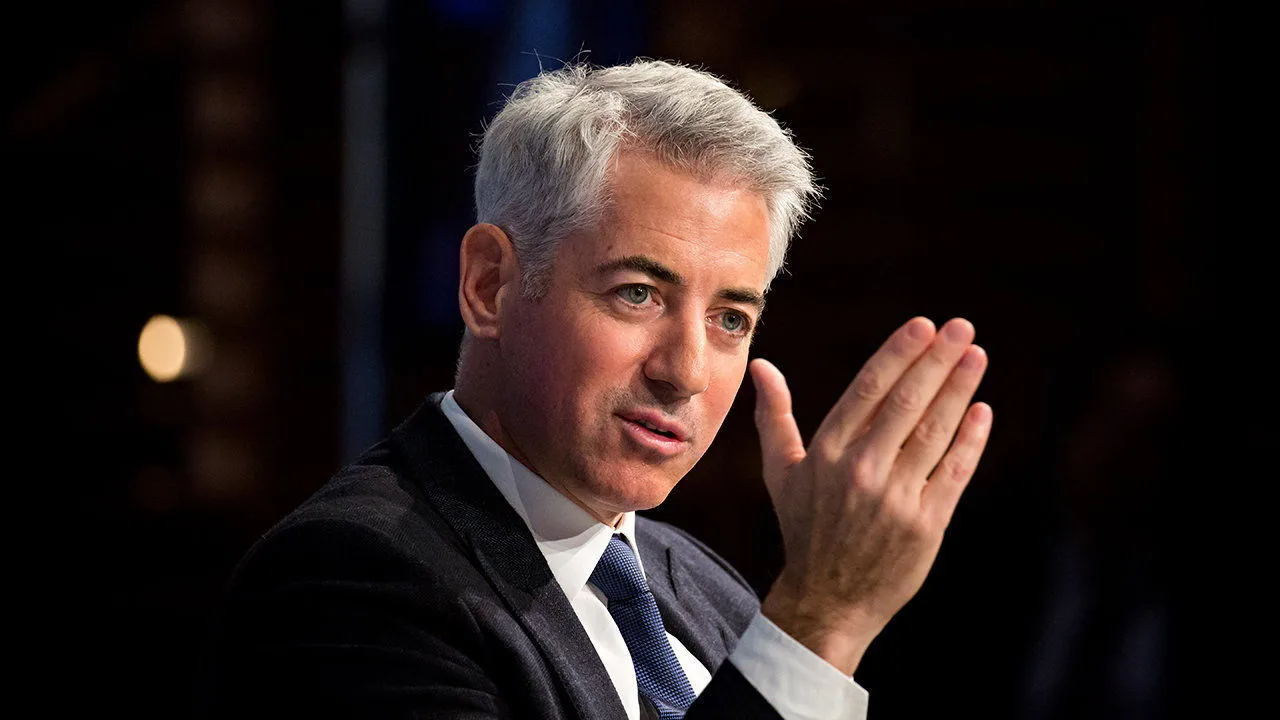
Billionaire hedge fund manager Bill Ackman has sharply criticized California’s proposed wealth tax, calling it a form of government expropriation.
The proposal would impose a one-time 5% tax on the assets of California residents worth more than $1 billion if approved by voters.
Ackman, who does not live in California, argued that wealth taxes have failed wherever they have been implemented.
“I am opposed to wealth taxes because they effectively represent an expropriation of private property and have many unintended and negative consequences,” Ackman said.
Budget pressures and spending concerns
The proposal comes as California faces a projected $18 billion budget deficit for the 2026–27 fiscal year, according to state analysts.
Ackman said the state’s fiscal challenges are driven by spending decisions rather than insufficient tax revenue.
“With respect to California’s budget problem, the issue is not a lack of tax revenues. The problem is how the money is being spent,” he wrote.
He previously warned that California was “on a path to self-destruction” as wealthy residents consider leaving the state.
Fears of capital flight
Reports have suggested that prominent tech figures, including Peter Thiel and Google co-founder Larry Page, are weighing whether to reduce ties with California.
Ackman said an exodus of entrepreneurs would undermine job creation and future tax revenues.
“Hollywood is already toast and now the most productive entrepreneurs will leave taking their tax revenues and job creation elsewhere,” he said.
He also criticized efforts to portray California leadership in a positive light amid fiscal and policy challenges.
Political response and ballot outlook
Governor Gavin Newsom has publicly opposed the billionaire tax while urging voters not to panic over the proposal.
Supporters argue that the revenue could offset potential federal funding cuts, particularly in health care programs.
The measure is backed by the Service Employees International Union–United Healthcare Workers West.
If approved, the tax would apply retroactively to individuals who lived in California as of January 1, 2026.
A resident with $20 billion in assets on that date would owe a one-time tax bill of $1 billion, payable over five years.
Alternative approach proposed
Ackman said he would support a narrower reform aimed at closing loopholes used by ultra-wealthy individuals.
He argued that borrowing against stock holdings allows billionaires to live tax-free without selling assets.
“One shouldn’t be able to live and spend like a billionaire and pay no tax,” Ackman said.
His comments drew support from fellow billionaire Mark Cuban, who reposted Ackman’s remarks and wrote, “Agree.”