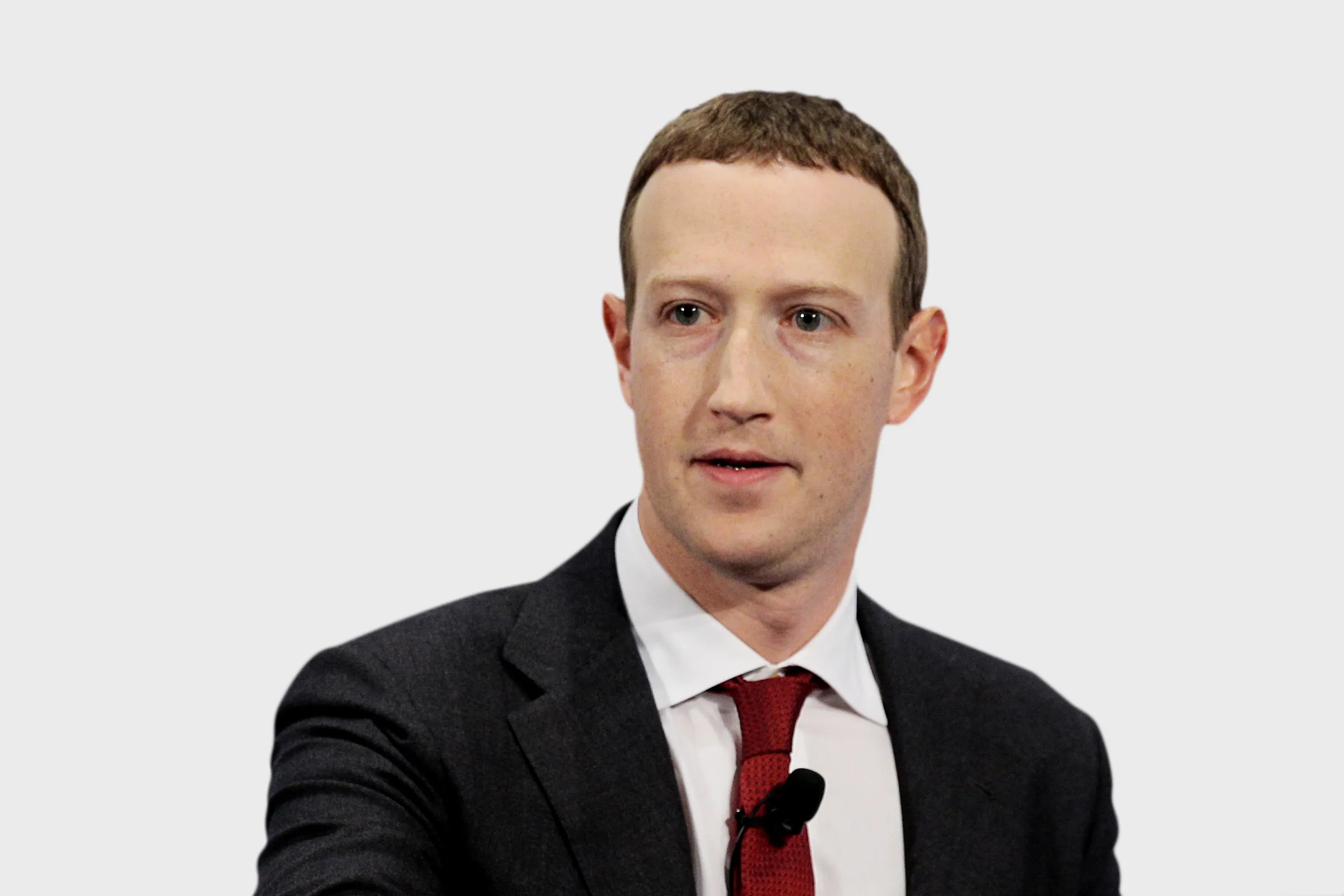
Something structurally different is happening along Miami’s waterfront, and a pair of transactions that closed within days of each other earlier this month made that clearer than any market report ever could. Meta CEO Mark Zuckerberg and Google co-founder Sergey Brin both finalised purchases of sprawling Miami-area estates, adding two of the world’s most recognisable technology names to an enclave that already counts Jeff Bezos among its permanent residents.
Zuckerberg and his wife Priscilla Chan closed on a 1.84-acre waterfront property at 7 Indian Creek Island Road on March 2nd, paying just under the original $200 million listing price — a figure that broke Miami-Dade County records for residential real estate.
The home, designed by Canadian architect Ferris Rafauli — the same man responsible for Drake’s Toronto mansion — sits three doors down from Bezos on Indian Creek Island and remains under construction. Nine bedrooms, 11.5 bathrooms, a secret library passageway, a wellness wing, a 60-foot pool, a jazz lounge, and a 1,500-gallon centrepiece aquarium are among the reported features, which is to say this is not a modestly scaled purchase.
Brin’s property, also waterfront, was also confirmed this week, making him the second tech billionaire to buy in Miami within the same seven-day stretch. Douglas Elliman broker Chris Wands, who has been involved in several of these transactions, put the buyer logic plainly: “While the neighborhoods they bought in differ, their priorities are identical: safety, security and proximity. These high-profile buyers are choosing waterfront properties in gated, controlled environments with easy access to private airports and Miami’s business and restaurant corridors.”
The migration of tech wealth to South Florida has been building since the pandemic disrupted the assumption that proximity to Silicon Valley was professionally necessary, but the pace has accelerated sharply in 2026. Part of the explanation is straightforwardly fiscal — Florida has no state income tax, a structural advantage that has always existed but now feels more urgent given a California ballot initiative being drafted that would impose a significant exit tax on high-net-worth individuals.
Based on current net worth estimates, both Zuckerberg and Brin could hypothetically face liabilities exceeding $10 billion each under the proposed structure, though the measure would require voter approval to take effect. It is not hard to see why moving before January 1, 2026 residency was established would feel like a prudent decision.
The broader market data reinforces what these individual transactions signal anecdotally. Miami-Dade County’s total monthly dollar volume in residential real estate surpassed $1.6 billion in late 2025, up more than 11% year-over-year, with transactions above $1 million climbing nearly 20% in the same period. Cash buyers account for approximately 43% of all Miami-Dade transactions overall — and considerably more in the ultra-luxury segment, where certainty of execution is the primary negotiating advantage.
Shoma Group CEO Masoud Shojaee was explicit about what he believes is driving this: “We believe the catalyst in the billionaire migration to South Florida from California is more about the billionaire tax taking place. We believe these individuals didn’t get to where they are by FOMO — rather, their success can be attributed to a mindset of taking fast and decisive action on what they believe is best for them.” That assessment aligns with the pattern: these are not impulsive lifestyle purchases. They are strategic relocations made by people who plan in decades.
The institutional dimension of Miami’s transformation is equally significant. Citadel, Ken Griffin’s Chicago-based hedge fund, is advancing construction of a major tower in Brickell. XP Inc., the Brazilian investment platform, recently expanded its Brickell headquarters to accommodate more than 100 professionals. Financial and technology companies from both the US and Latin America are establishing operations in the region, drawn by the same combination of regulatory clarity, lifestyle quality, and tax structure that appeals to individual buyers.
International buyers accounted for $4.4 billion in South Florida residential real estate purchases in 2025, according to the Miami Association of Realtors, making the region the single largest destination for international residential investment in the United States. Middle Eastern, Canadian, and European buyers are all active, alongside the domestic California-to-Florida flow that has defined the narrative for the past several years.
What is emerging, gradually but unmistakably, is a city that has moved beyond the legacy “lifestyle market” framing and into something closer to a genuine global financial capital — one that happens to have the weather and the waterfront of a resort town. Whether that combination can be sustained as costs rise, insurance premiums spiral, and infrastructure strains under population growth are the questions Miami will spend the next decade trying to answer. For now, the capital keeps coming.